
Outline the Turn at the Crown
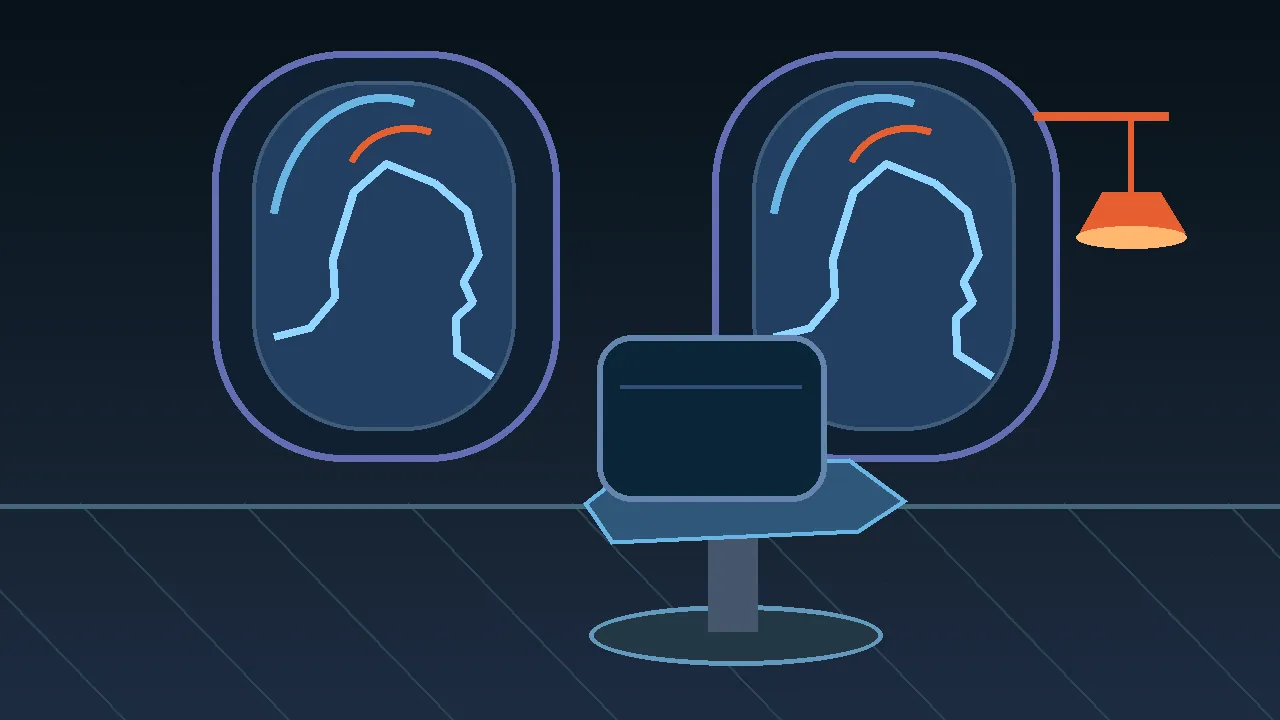
The person in the chair points to a turn at the top of the profile. They can see it from one mirror and want to keep it after a small change of length. In a close drawing, the turn and its neighboring hair are clear. In a wider view, the part the customer cares about can appear to be part of the background. We needed to show an outline in the larger picture without making the whole head look outlined in bright color.
The demonstration in Keep the Turn at the Crown follows that requested feature through a comparison of two lengths. The first drawing keeps the upper edge and a portion of the front mirror in view. The next can show a proposed change while the same feature remains available for a fresh look.
Work from a short arc
Our first picture used a full line over the upper shape. It was clear where the arc began but hard to say which part the customer had identified. We replaced it with a small outline beside the turn. That short arc fits the larger profile better. The caption gives it a name. A reader can use the label to find the same place after the barber switches to the other mirror.
A side drawing can move the apparent position of that arc even when the shape remains unchanged. Keep the frame and shoulder in view to see what happened. If the marker moves because the angle changed, the caption identifies the angle. It does not turn it into a new change in length. The drawing can then keep a particular point in view without hiding how the whole head looks from a second position.
Check which part of the difference matters
When the player proposes a shorter line, the turn can stand out more clearly. In another version it looks similar from the front and less visible from the back. We hold both profiles long enough to identify the change. The customer can name what they recognize in one version, while the earlier line stays available behind the comparison control. That response makes the proposed silhouette easier to evaluate.
We want to know which reference works for a reader who has never seen the two pictures. Show the first and ask which part they would look for after the mirror turns. If they point to the large shape but lose the shorter arc, test a larger caption before putting a stronger color onto the whole outline. At a narrow width, the small drawing can remain readable while the words describe the exact feature carefully.
Use a different anchor in the lower profile
The Line in the Second Mirror uses the collar and lower edge to orient both views. The retained shape at the crown sits higher, beside the clear plane of the mirror. It needs an anchor of its own. The two cases make it possible to compare which feature was requested and what someone needs to see before confirming a change. A clear answer can refer to a shape the character described while they were in the chair.
The Style Folio holds the first drawings at their separate places. Open the upper study and see whether the requested arc can be identified with the color removed. Return after showing the other profile. If the same feature appears in a recognizable place, it can remain in the game while another proposed length is introduced. If the scene makes it look as though a different feature was selected, the next version can keep the same orientation and shorten the explanatory arc. That is one specific change to check before moving the chair again.