
The Line in the Second Mirror
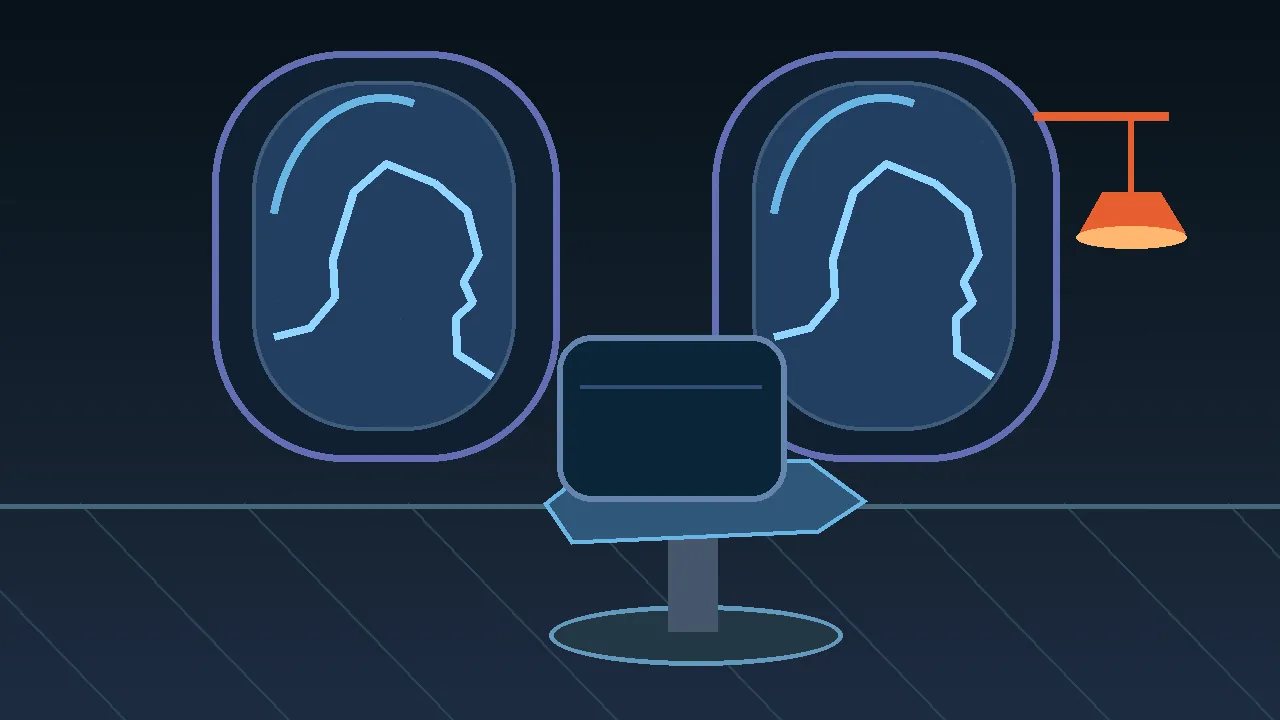
A customer has asked the barber to leave the line beside their cheek recognizable. Seen from the chair, the proposed haircut looks close to that request. In the second mirror, the lower edge makes a different curve when the head turns. The Line in the Second Mirror is a prototype about catching that difference in two drawings and checking that the person in the chair can still identify the look they described.
Find an outline both people can see
At the first turn, open a side profile and locate the mark beside the collar. The picture gives you a short length label and a place where the lower line changes. The player can preserve the earlier proposal and draw a second outline. The room and the collar stay the same. The actor in the chair can point to the part they want to keep, while the interface retains the marker and its earlier wording.
Turn to the second mirror after drawing the new line. Its view shows the back edge closer to the front of the picture. It should still be possible to relate that edge to the collar. A written label identifies which direction the profile is facing. If a small crop hides the later shape, open the full outline before choosing another version.
Use a second view to check one small change
In one variation the customer prefers a longer side but would like the back to sit a little differently. The player can make a narrow revision and see if it shows up before or after the mirror turns. The customer can name a feature that they recognize or ask to see the first option again. The response is attached to the current drawing. It does not replace the player’s view of the earlier line.
The game gives the barber a chance to compare two versions of the same pose. Use that comparison to say what changed. Then turn the mirror again and see if the difference is easier to find from the other side. If the larger view makes the current version unclear, return to the earlier picture without changing the position in the chair.
Draw the mirror around the outline
The shop art uses indigo mirrors and a light blue frame. A warm mark points to a place in the profile, with a caption naming the relevant edge. The chair and cape are simple forms that preserve the same perspective across the comparison. The still view includes both positions for anyone who wants to turn between them without motion. The two labels stay visible with the relevant drawing on a smaller screen.
This is an early game prototype in a fictional shop. It is about making a styling choice legible inside a scene. The companion case, Keep the Turn at the Crown, follows a related decision through a comparison of lengths. Open the Style Folio to see which view starts each one.
The next customer starts with a clean mirror. Their request brings its own reference point, so the side chosen for one appointment never sets a default for another.