
Let the Chair Turn One Place
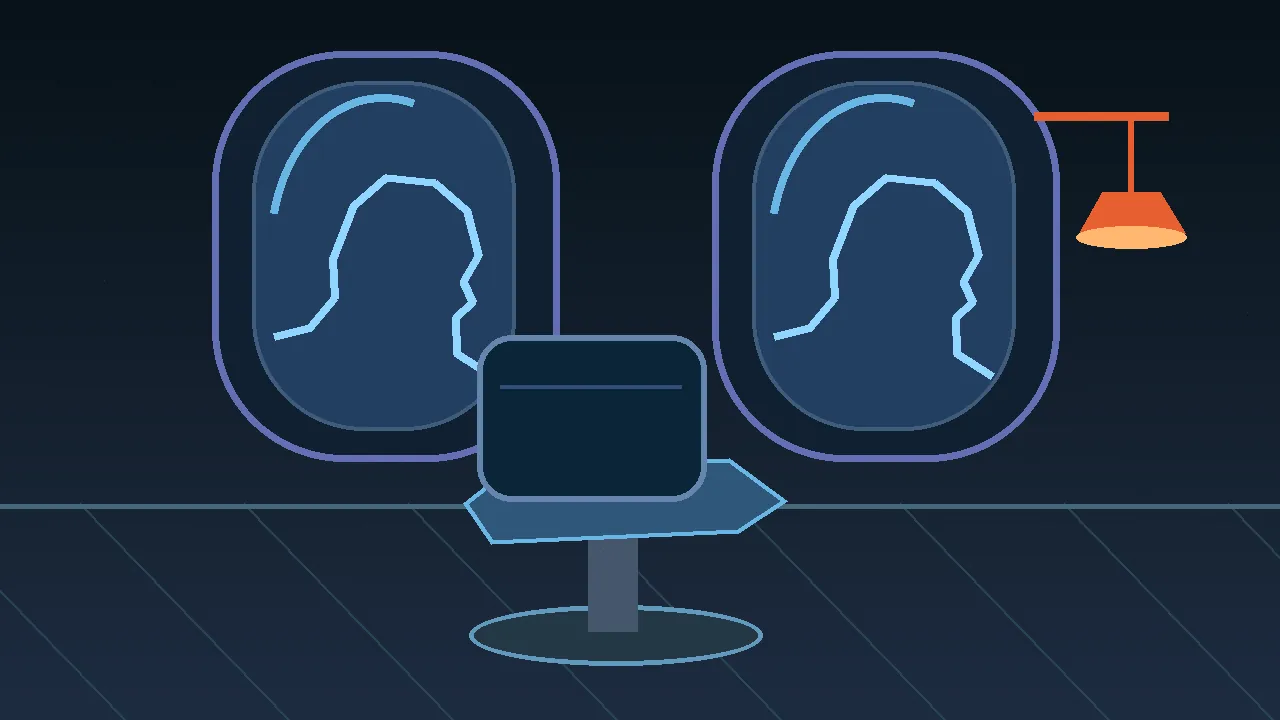
A turn of the chair can make the second mirror useful. It also changes which side of the cape and collar occupy the front of the picture. In an early view, the room turned at the same time as the proposed profile changed. The story moved from a seated person looking ahead to a close outline at another angle. It was possible to see a different line but difficult to tell whether it changed because of the barber’s choice or because the room was shown from somewhere else.
In The Line in the Second Mirror, the practice case reserves one action to turn the chair. The earlier proposal stays available in the first view. Once you choose another outline, the case can show a second version at that same angle before turning it again. This gives the player a moment where the choice can be examined separately.
Hold part of the room still
The back of the chair and the mirror frame give the player clear reasons to recognize the room. The customer and cape can turn around that point. We draw a visible marker at the edge of the chair that remains in the second image. The caption tells whether the view changed angle rather than describing the proposed haircut in new terms.
At a small size, the frame can fit beside one portion of the cape. It does not need to have all of the surrounding mirrors in view. A still that keeps enough of the angle can tell the reader which side they are looking at. The next frame can show the new proposal after they choose it. We name both changes in the order they happened.
Listen to a reply after the view settles
A fictional customer can confirm the detail they can now see. The response should be understandable beside the current picture and retain a link to the earlier request. It can also mention that an angle is still hard to compare. That gives the player a reason to go back without making the response sound like an answer to a question we did not show.
Try a run where the chair turns and the line remains exactly as it was. Then return to the earlier place and choose a different line. The case can compare those two situations using the same initial picture. If the two results seem indistinguishable, the next drawing needs a clearer view label or a mark that stays with the proposal through the turn. A frame that can be read without motion makes that test easier to repeat.
Return to a different feature at the crown
In Keep the Turn at the Crown, the first view can come from behind a seated customer. A move to the front can open more of the shape while the requested turn remains near an earlier mark. The case has another reason to use the same chair. It asks whether a visible feature can remain familiar as length changes. Keep the two decisions separate when you compare a new illustration.
The Style Folio lets a reader turn from the side outline to the crown case without changing their place in an individual scene. Start by naming which way the customer faces. Then check which part of the drawing moved. Those are two separate readings. If a reader can recognize both, try the comparison with the first reply still in view. It should be possible to explain the later proposal without losing why the customer wanted to keep the earlier feature. The chair can then return to its first position while the new request remains visible.